How to Grow a Henna Plant (Mehndi) From Cuttings at Home (Video)
Read the full written guide: How to Grow a Henna Plant (Mehndi) From Cuttings at Home →
Learn how to grow your own henna (mehndi) plant from cuttings at home, from choosing the right hedge to harvesting leaves for natural dye. This guide covers everything from identifying real henna to caring for it through the year.
Plus, the one safety warning you need before buying mehndi cones. A quick, practical tour of the full blog post, with honest advice on what works and what to skip.
Show the full transcript
Transcript
Ever wondered why some mehndi cones burn your skin?
Ever wondered why some mehndi cones burn your skin?
Grow henna at home
Stay till the end for the one mehndi cone that can burn your skin.
Spot the real henna
Here's the thing, a lot of hedges get called mehndi at nurseries, but they're not the real deal. The common fakes are privet and duranta, and neither one will stain a thing. Real henna has small, smooth, oval leaves that sit opposite each other in pairs, and tiny cream flowers that smell amazing. And watch out for oleander in the same row, it's poisonous, so never mix its leaves into anything.
Cuttings beat seed
The fastest way is to beg a few pencil-thick cuttings from a healthy hedge in July. Strip the leaves off the bottom two thirds, leaving four to six at the top, then push them six to eight centimetres deep into a pot of half sand, half soil. Keep them in bright shade, not hard sun, for about a month, just damp, and monsoon humidity does most of the work. Seed works too, but it's slower and fussier.
Heat it shrugs off
Now, where does henna actually thrive? Anywhere hot and sunny. It shrugs off forty-five degree summers, that's proper Multan and Rajasthan weather, and it loves the dry heat of Bahawalpur and Sukkur too. In Lahore, Delhi, or Karachi it does great in full sun. If you're in Islamabad or Peshawar, plant it against a south or west facing wall. But in the hills, frost will kill it, so keep it in a pot you can move inside.
Year-round care, simply
Caring for henna is almost embarrassingly easy. Give it a few handfuls of compost around the base in March and again in July, and that's mostly it. Rich feeding actually makes the dye weaker, so don't overdo it. Prune hard in late winter and it'll push dense new shoots by April. Watering depends on the season, pots need water every day or two in summer heat, but once it's established in the ground, it's drought tolerant and hates sitting in wet soil.
Pick after a dry spell
Growers traditionally pick henna for dye in hot, dry weeks, not right after rain, and many swear the stain comes out deeper. Is it true? Honestly, treat it as tradition and test your own leaves. Take mature leaves from the upper half of the shrub, dry them in shade, because sun fades the green, and grind them only when they're bone dry. Or just grind fresh leaves straight into a paste with a little water for a quick test stain on your palm.
First harvest in a year
A new plant is usually ready for its first real harvest about a year after planting. That sounds like a long wait, but think about it, you'll see it bush out and grow steadily in between. Growers cut whole stems ten to fifteen centimetres above ground, which forces bushy regrowth, at home, shearing a third of the hedge at a time is easier on the plant. Hot, dry areas give two harvests a year, sometimes three with watering. Spread leaves thin in shade, turn daily, store airtight away from light.
Tough but not invincible
Henna is genuinely tough, but it's not invincible. In humid monsoon weeks, if the hedge is crowded, you might spot leaf spot, just thin it out and remove the spotted leaves. Mealybugs and scale sometimes cluster on stems; scrape them off and hit them with a neem spray. And here's the classic mistake: if leaves yellow in a pot, it's almost always waterlogging, so check your drainage before anything else.
The one cone to avoid
Now, the part most people miss, and it matters more than any growing tip. Those black mehndi cones and dark instant pastes often contain PPD, a chemical that can cause blistering burns and a lifelong allergy. Keep henna paste off babies and young children, and if anyone in the family has G6PD deficiency, ask a doctor first. Always do a patch test before a full design, and keep seeds and leaves away from kids and pets.
Grow it or skip it
So, should you grow it? It depends. If you've got a sunny boundary, plant it in the ground as a low hedge, it's low effort, tolerates neglect, and even survives hot roofs. If you just want leaves for occasional use, a pot is perfect. And you get that gorgeous scent as a bonus. But skip it entirely in cold, shaded, or very wet spots, because henna will just sulk and struggle there.
Like, subscribe and comment
Useful? Like and subscribe, and tell us in the comments what we should check next.
Read the full guide
Read the complete guide on thecareonline.com. This is general information, not medical advice.
More videos
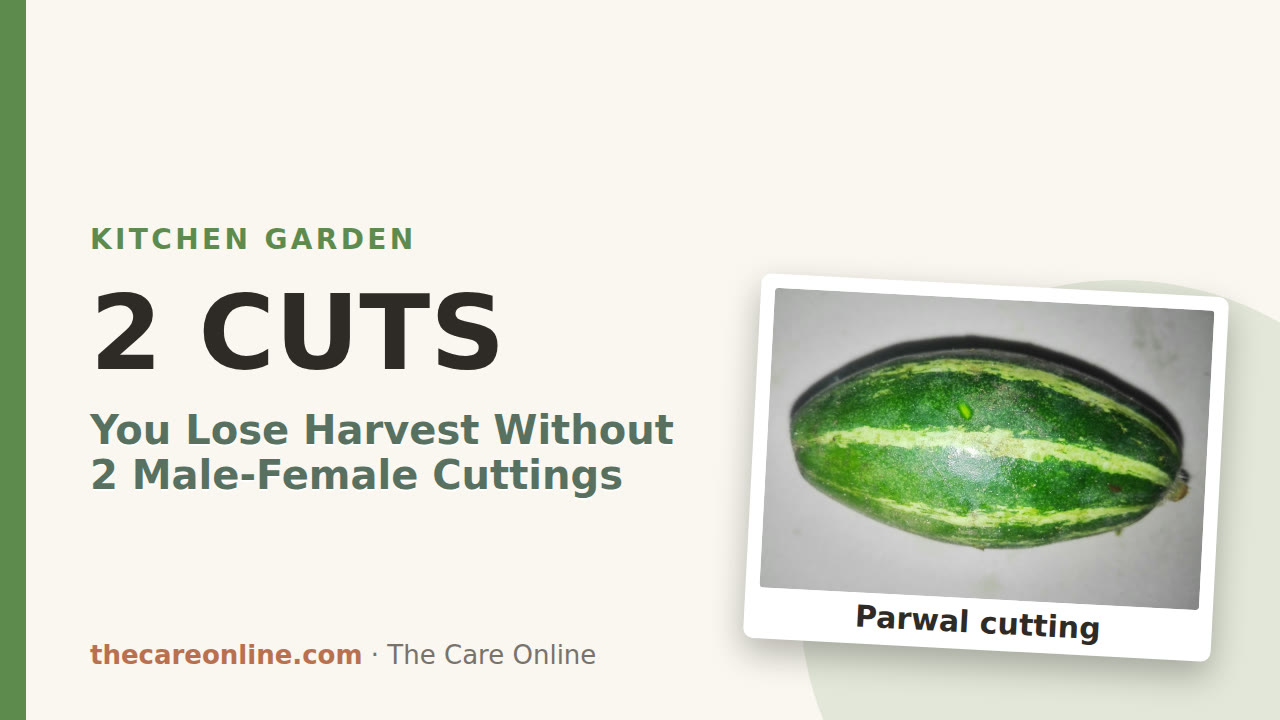 Kitchen Garden
How to Grow Parwal (Pointed Gourd): Male and Female Cuttings
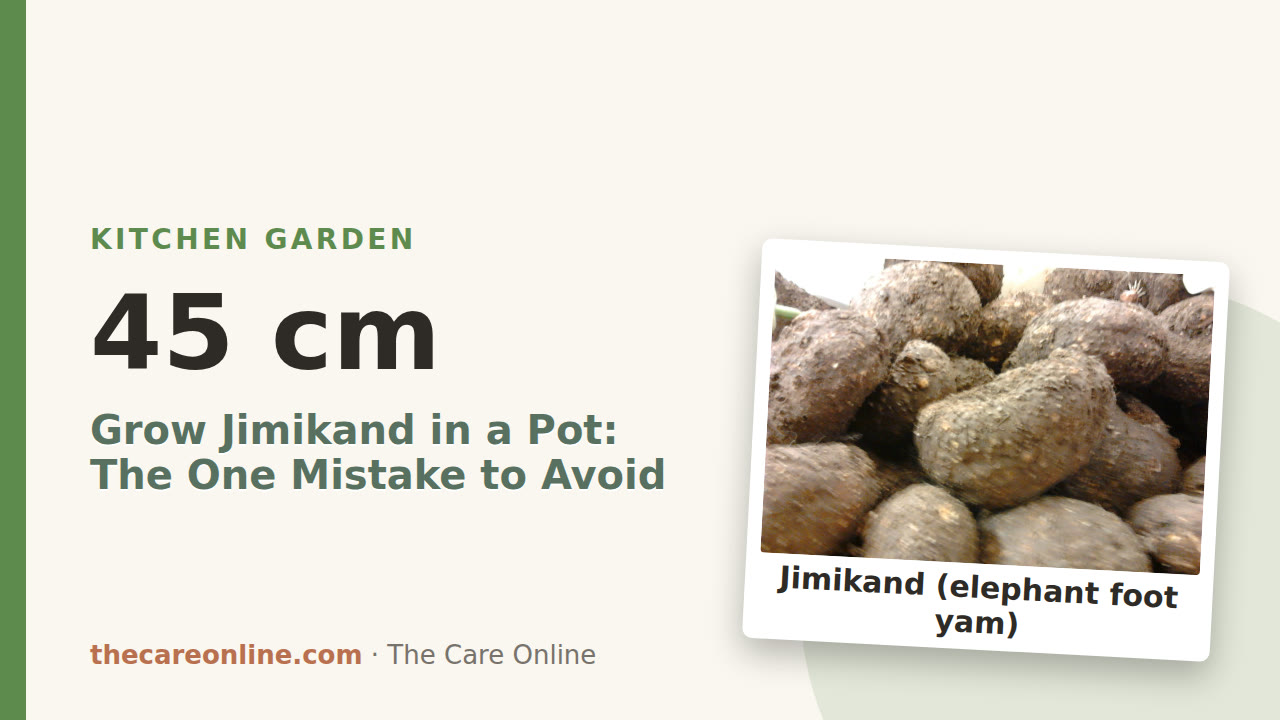 Kitchen Garden
How to Grow Elephant Foot Yam (Jimikand) in a Deep Pot or Bed
 Kitchen Garden
How to Grow Ash Gourd (Petha): Space, Sowing Months and Harvest
 Kitchen Garden
Drip Irrigation for Pots on a Rooftop: Tank, Kit and Timer
 Kitchen Garden
How to Grow Snake Gourd (Chichinda) Straight on a Rooftop Frame
 Kitchen Garden