How to Get More Iron From Cheap Staples, Simple Cost Hack (Video)
Read the full written guide: Cheap Iron Rich Foods: How to Compare Cost per Serving →
We walk through a simple math trick to compare the real cost of iron-rich staples per serving, not per kilo. You’ll learn how to label your jars and read nutrition facts for iron and calcium. We also cover food combos that boost or block iron, and the one habit that makes a big difference. This is practical advice, not medical guidance.
Show the full transcript
Transcript
Did you know a vitamin C bite can triple iron absorption?
Did you know a vitamin C bite can triple iron absorption?
Cheap Iron-Rich Staples
Learn how to stretch your grocery budget while boosting iron intake, and stay for the trick that triples absorption. We'll show you a quick math trick, a labeling habit, and the vitamin C secret that makes iron work harder.
Cost per serving matters
A cheap bag may look like a deal per kilo, but what matters on your plate is the cost of a single serving and the iron it delivers, so you know exactly what you’re paying per bite.
Label cost on jar lid
Write the price per serving and the date on the jar lid. That simple label turns a one-off price check into a habit, letting you compare new bags in seconds.
Reading iron & calcium labels
When you read a nutrition label, start with the per-100-gram values, then calculate how many grams you actually eat. That tells you the real iron and calcium you’ll get.
Tea and calcium habits
Black tea contains compounds that bind iron, and calcium-rich drinks can do the same. Pair your iron-rich foods with vitamin C sources like citrus, tomatoes, or potatoes to counteract the blockers.
Iron absorption boost
Adding a vitamin C food to the same plate can triple the amount of iron your body absorbs from plant sources. That means if you eat a cup of lentils with a squeeze of lemon, you’ll get three times the iron compared to plain lentils.
The one habit to boost iron
The single most effective habit is to always include a vitamin C bite, like a squeeze of lemon, a tomato, or a potato, when you eat beans, lentils, or leafy greens, and keep tea or milk away from that meal.
Like, subscribe and comment
Useful? Like and subscribe, and tell us in the comments what we should check next.
Read the full guide
Read the complete guide on thecareonline.com. This is general information, not medical advice.
More videos
 Desi Weight Loss
How to Lose Weight When Your Wife Cooks: Four Kitchen Rules
 Desi Weight Loss
Healthy Meal Plan for a Large Family on a Budget (Desi Kitchen)
 Grains & Daals
Poori Recipe: Why Pooris Turn Oily and How They Puff
 Grains & Daals
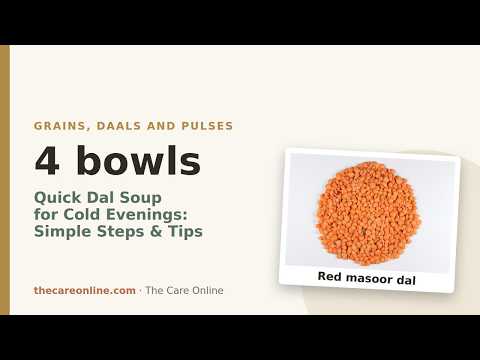
Dal Soup: Masoor and Moong Shorba for Cold Evenings
 Grains & Daals
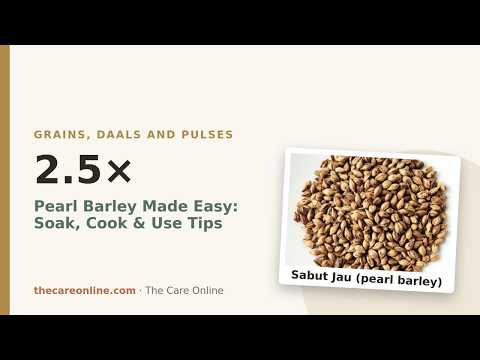
Pearl Barley (Sabut Jau): How to Soak, Cook and Use It
 Grains & Daals